
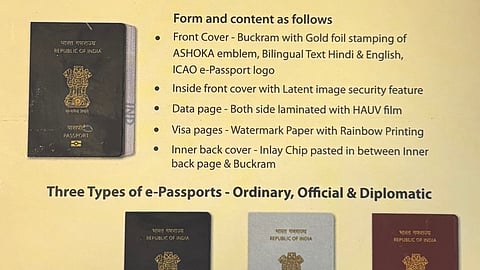
In an effort to ensure that travel becomes seamless, without any chance of fraudulent misuse, all Indians will have e-passports by 2035. The process of issuing e-passports began in May this year, and nearly 8 million e-passports have been issued since May 2025. An additional 62,000 have been issued from Indian missions and posts abroad. However, those with valid passports can continue to use them for the next 10 years until 2035. Nearly 15 million passports are issued annually in India.
All passport kendras in India are at present issuing e-passports. India is among 100 nations globally to have offered this kind of document under the Passport Seva Programme Version 2.0. All assets under this scheme, including hardware and data, are owned by the ministry for external affairs (MEA), while TCS operates the front-end and data centres under a master service agreement.
The upgraded system, fully integrated with Aadhaar and DigiLocker, has seven layers of security controls and three spatially distributed data centres in Noida, Chennai and Bengaluru, to ensure zero downtime. On average, 50,000 passports are issued daily, with processing time at counters reduced from 45 minutes to 30 minutes.
“Every Indian citizen who is applying for a new passport or renewal has been getting e-passports since 28 May this year, which makes entry and exit from immigration counters quick,” says an official from the ministry for external affairs. “It is also a way to match the biometrics and data that have been uploaded for existing passport holders”.
The e-passport fully complies with International Civil Aviation Organisation (ICAO) standards, ensuring universal recognition and seamless interoperability across airports. This is important as airports across the world have automated border control systems and biometric e-gates. With the new document, Indian travellers can expect quicker and smoother immigration checks. Officials have compared this technological shift to moving from `3G to 5G’ – which shows a major upgradation in technology.
The e-passport contains an RFID chip embedded in the last page with a smart card memory and an indigenously designed operating system. The chip stores demographic and biometric data in ‘read-only’ format and has undergone composite certification according to international standards.
Cannot be tracked
Version 2.0 compares live biometric data of the applicant with the data already available in the system, making impersonation and fraud almost impossible. The chip cannot be tracked but will get activated at the machine-read at immigration counters.
“Citizens will now receive SMS alerts eight months before their passport expires,” affirms the official. “The Trusted Traveller Programme is also being expanded to reward frequent and genuine travellers with faster clearance.’’
More than 100 countries can read e-passports, enabling faster and smoother immigration for Indian travellers. The ICAO guidelines allow non-chipped passports to remain valid till expiry, and India has set 2035 as the target year by which all Indian passports in circulation will be chipped.
Meanwhile, the e-passports are now available across 37 Regional Passport Offices (RPOs), 93 Passport Seva Kendras (PSKs) and 451 Post Office Passport Seva Kendras (POPSKs). The global version of the programme was launched on 28 October 2025 and was designed to enhance passport services at Indian missions abroad.
The revamped system integrates AI-driven chat and voice-bots for application assistance and grievance redressal, online document uploads, auto-filled forms and UPI/QR-based payments. Advanced biometric and facial recognition systems, AI-based alerts, and data analytics further strengthen security and efficiency.
This system is also integrated with DigiLocker, Aadhar and PAN for seamless document verification. Additional features include Robotic Process Automation (RPA) for document validation, touchscreen feedback, electronic signature pads and real-time MIS dashboards. In addition, a national call centre operating in 17 languages provides citizen support.
An Indian passport is valid for 10 years for adults and five years for minors (until they turn 18). India’s passport issuance outreach covers 511 Lok Sabha constituencies; the remaining (33) are likely to be added by next year.