
The anatomy of a governance failure
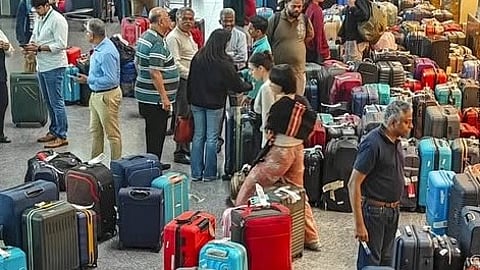
When IndiGo’s board decided that a Rs10,000 flight voucher was suitable compensation for stranded families sleeping on airport floors, it didn’t just insult its passengers but revealed its own moral bankruptcy. This was not empathy; it was petty cash masquerading as accountability. A selectively handed-out coupon that barely covers a one-way fare on a good day is not restitution; it’s corporate condescension.
In global aviation, passengers get cash, hotels, meals and apologies. In India, they get vouchers and silence. The subtext is hard to miss: Indian travellers are expected to endure disruption like serfs – grateful for crumbs, disposable when inconvenient. That this gesture emerged from the boardroom makes it worse. It signals not just a lapse in judgment, but also a worldview where dignity is negotiable, and passengers are cheap.
Crises expose boards more clearly than annual reports ever do. A glance at IndiGo’s disclosures reveals little evidence of deep board-level engagement with operational resilience or safety governance. What does stand out is a roster of distinguished directors carrying formidable workloads across multiple enterprise boards. A clear case of stretched oversight across too many commitments, leading to ceremonial governance. Leadership cannot be compressed into quarterly reviews and slide decks. When pressure finally arrived, the board simply stepped back. One wonders whether years of regulatory leniency quietly nurtured complacency long before systems failed.
Air travel is not a luxury pastime. It is an essential, time-bound service, intertwined with medical needs, livelihoods, family obligations and carefully arranged plans. When breakdowns arise not from extreme weather or sabotage but from ignored staffing limits, fatigue exposure and long-standing regulatory warnings, the result is not bad luck. It is a failure of governance. The board was cognisant of the risks and yet chose to be an accessory to harm. It is not negligence but total abdication of accountability.
Airline boards that are responsible ensure constant oversight of operational risk and track pilot pool, fatigue limits, training gaps, rostering stress and regulatory alerts in real time. When warnings surface, they freeze sales, ground capacity and accept short-term revenue pain. IndiGo’s board observed, sold tickets and let denial turn risk into collapse. Criminal neglect, if passengers file legal cases.
Silence during such a crisis is obfuscation. Responsible leadership speaks early, plainly, and repeatedly. Globally, most airline fiascos resulted in prompt updates, robustly manned helplines, automatic rebooking or rerouting assistance, hotels and meals well before passenger ire. When Southwest Airlines endured a serious operational collapse in 2022, its board faced scrutiny, apologised, compensated passengers and invested heavily in systemic repair. IndiGo offered confusion, choked call centres and lawyerly statements only after harm was complete. A board hiding behind public relations surrenders its authority and forfeits credibility, trust, and standing.
In many mature aviation markets, passenger protection is not discretionary. DGCA and the ministry for civil aviation should have twisted the arms of the board of IndiGo. The EU, Canada and Australia have strong regulations on refunds, food, stay and cash compensation. Airlines resist, then comply. IndiGo’s board could have voluntarily adopted similar standards, as at least a couple of directors were advocates of global standards in their other roles. The stranded passengers of IndiGo had to pay a huge inflated price for everything from food, water, stay and alternate tickets of other airlines. The airline treated them like slaves, especially because most of them blamed this suffering on their karma and didn’t file legal suits. This was exploited by the board to offer the worthless flight vouchers – a total failure of the board at the operational, ethical and regulatory levels.
Authentic board oversight places safety and accountability above growth charts and market share. Repeated DGCA warnings should have triggered internal audits, root-cause reviews, capacity rationalisation, rostering reform and clear management accountability. Instead, the board appeared focused on limiting exposure, behaving less like an adjudicator and more like a defence team. When rules are breached, boards must judge, not justify.
Public outrage is an early warning. Families stranded and anger mounting signalled preventable failure. The board voted for exploiting the karma belief of Indians over correction and let the risk multiply. Escaping consequence teaches the industry that silence is cheap, regulation optional, safety negotiable and passengers expendable, turning governance into theatre.
In the end, IndiGo’s board mistook passengers for pushovers and vouchers for virtue. Rs10,000 was not compensation; it was hush money with a barcode. When leadership shrinks accountability to coupons, governance becomes a discount sale. Airlines may fly planes, but boards fly values – and this one crash-landed. History is unforgiving to directors who confuse thrift with thoughtlessness.